
🏡 What Happens After You Put Your House on the Market?
Putting your house on the market can feel like the biggest step in the whole moving process.
You’ve chosen your estate agent, agreed on a marketing strategy, had the photographs taken and finally seen your property advertised.
But what happens next?
For many sellers, this is where the process can feel a little uncertain.
What should you expect once your home is live? When do the viewings start? How do you know whether the marketing is working? What happens when an offer comes in? And perhaps most importantly, who is actually keeping everything moving?
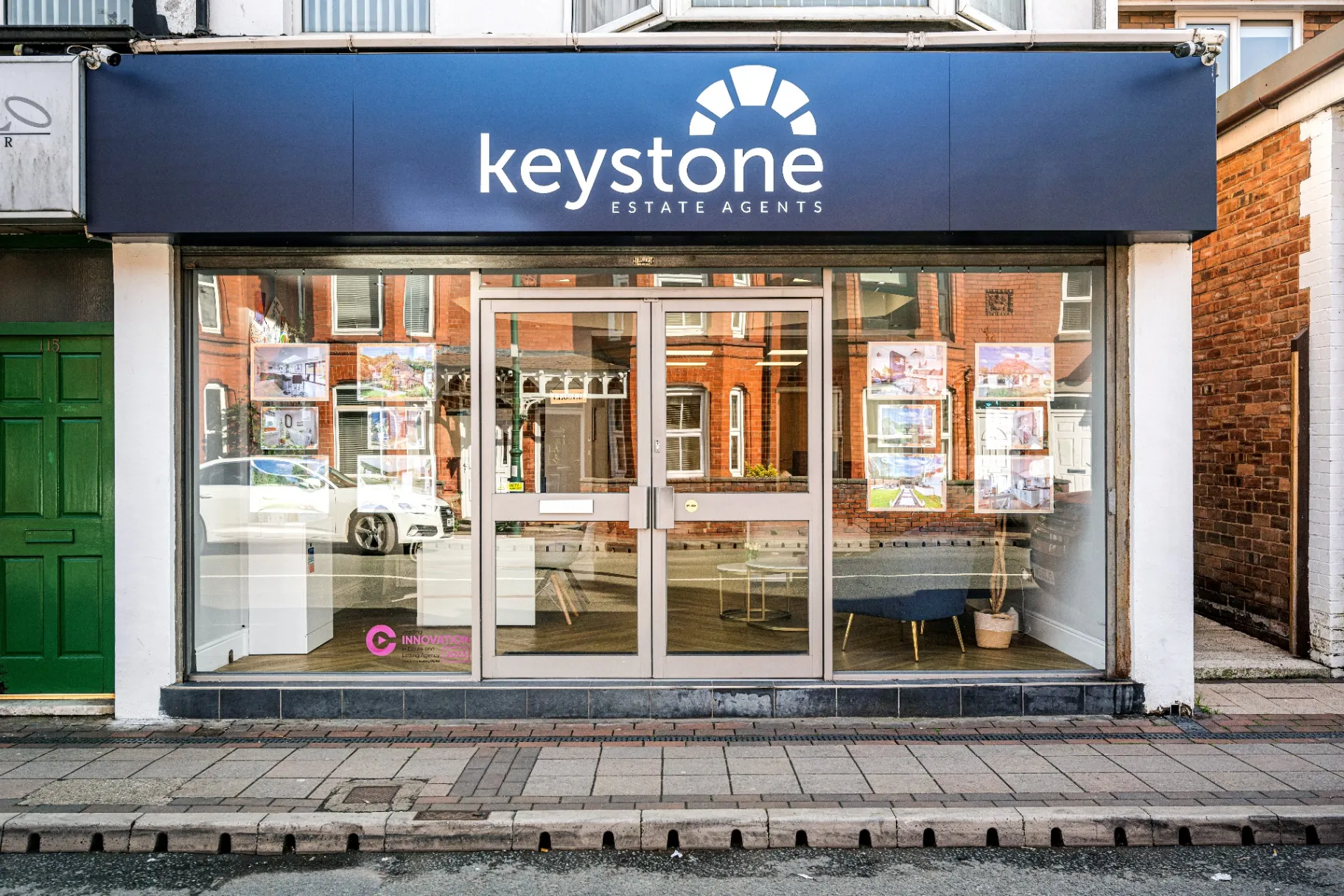
At Keystone Estate Agents, we believe sellers should understand the process from the moment their property goes live.
Because putting a property on the market isn’t the end of the preparation. It’s the beginning of the selling process.
📣 First, your property needs to get noticed
Once your property launches, the immediate priority is generating the right attention.
That means more than simply putting photographs and a description onto the property portals.
Your marketing needs to give potential buyers a reason to stop scrolling and take a closer look.
Photography, video, floorplans, property descriptions, social media, targeted marketing and the way your property is presented all contribute to that first impression.
And increasingly, buyers are doing their research before they ever arrange a viewing.
They may have already registered their requirements, saved similar properties, compared prices and considered what else they could buy for the same budget.
So the launch of your property matters.
The first few days and weeks can tell you a lot about how buyers are responding to your home.
👀 Then come the enquiries and viewings
Once buyers start seeing your property, the next stage is arranging viewings.
This is where good communication becomes incredibly important.
A seller shouldn't have to wonder:
“Have we had any enquiries?”
“Has anyone booked a viewing?”
“What did the buyers think?”
“Is the property generating enough interest?”
Your estate agent should be keeping you informed and helping you understand what is happening.
Of course, not every enquiry will turn into a viewing, and not every viewing will result in an offer.
That's normal.
The important thing is understanding the difference between activity and meaningful buyer interest.
💬 Buyer feedback can tell you a lot
Viewings aren't just about hoping someone says yes.
They're also an opportunity to gather information.
Are buyers commenting positively on the presentation?
Are there recurring questions about a particular room or feature?
Is there something they don't quite understand from the marketing?
Are buyers viewing the property but not progressing to an offer?
This feedback can help you and your estate agent understand how the property is performing.
Sometimes the answer may simply be that buyers need time.
Sometimes it might highlight something about the marketing that could be improved.
And sometimes it can indicate that the property's positioning or pricing needs to be reviewed.
The key is not to wait weeks or months before having that conversation.
💷 What happens when an offer comes in?
Eventually, hopefully, you'll receive an offer.
But this is another point where the process is about more than simply looking at the number.
Of course, the amount offered matters.
But so does the buyer's position.
Are they a first-time buyer?
Do they have a property to sell?
Is their property already under offer?
Do they have a mortgage agreement in principle?
Are there other conditions attached to their offer?
And what sort of timescale are they working towards?
A good estate agent should help you understand the whole picture so that you can make an informed decision.
Because the highest offer isn't necessarily the only thing you should consider.
The strength of the buyer and the likelihood of the transaction progressing matter too.
🤝 Once you've accepted an offer, the work doesn't stop
This is one of the biggest misconceptions about selling a house.
Some people think that once an offer has been accepted, the estate agent's job is largely finished.
In reality, this is when the transaction can become particularly important.
There are solicitors to coordinate.
Mortgage applications to progress.
Surveys to arrange.
Searches to complete.
Legal enquiries to answer.
And, if there is a chain, multiple moving parts that all need to work together.
This is where sales progression becomes so important.
At Keystone, we believe an estate agent should remain actively involved throughout the journey - not simply step back once the property is sold subject to contract.
🔄 The journey from offer to completion
After an offer is accepted, communication becomes even more important.
Buyers and sellers want to know what is happening.
Solicitors need information.
Mortgage lenders may need documents.
Survey results may lead to further conversations.
Chains can change.
Timescales can move.
And issues can appear that nobody could have predicted at the beginning.
The role of a proactive estate agent is to help keep communication flowing and identify potential problems as early as possible.
That's particularly important for busy professionals.
If you're working, raising a family, travelling or simply trying to manage everyday life, the last thing you want is to spend your evenings chasing solicitors, buyers, sellers and everyone else involved in the transaction.
You need someone helping to keep the process moving.
🧩 Selling a house is a process - not just a listing
This is why we believe there is a significant difference between simply listing a property and actually managing the selling process.
Putting your home on the market is one step.
Marketing it properly is another.
Generating buyer interest is another.
Negotiating the right offer is another.
And then comes the process of turning that agreed sale into a successful completion.
Every stage matters.
And problems at one stage can have an impact on the next.
That's why preparation, communication and sales progression should be considered from the very beginning.
🏡 What should sellers be looking for from their estate agent?
When choosing an estate agent, it's worth thinking beyond the question:
“What will you value my house at?”
Instead, ask what happens afterwards.
How will the property be marketed?
How will buyers be targeted?
How will viewings be managed?
How will you receive feedback?
Who negotiates offers?
What happens once a sale is agreed?
Who will be responsible for sales progression?
How often will you be updated?
And, perhaps most importantly, what happens if something starts to go wrong?
These questions can tell you a great deal about how an estate agent actually works.
Because selling a home isn't simply about getting a property advertised.
It's about having a strategy for everything that happens afterwards.
🚀 At Keystone, the journey doesn't stop when your property goes live
Our approach is built around being proactive throughout the customer journey.
From the initial valuation and preparation, through marketing, viewings and negotiation, to sales progression and completion, every stage matters.
Our aim is to make the process clearer, more organised and less stressful for our clients.
Because for busy professionals, selling a home shouldn't become another full-time job.
You should have an experienced team helping to manage the moving parts, keeping you informed and looking for solutions when challenges arise.
So, what happens after you put your house on the market?
A lot.
And that's exactly why choosing the right estate agent matters.
👇 Thinking of selling your home? Book your valuation with Keystone and start the conversation about your next move.

👇 Looking to buy? Register for Keystone Heads Up Property Alerts and hear about suitable properties before they reach the wider market.